
Do I get water rights when I buy rural Texas land?
The short version, the split between groundwater and surface water, and which district covers the county you are buying in.
Brazos Valley Living·FAQ·Water Rights on Rural Texas Land
← Back to Frequently Asked QuestionsShort answer: It depends on the kind of water. Groundwater under your land follows the rule of capture, so you can generally drill a well and pump it, subject to your local groundwater conservation district. Surface water belongs to the state, so diverting or impounding it usually needs a TCEQ permit, with narrow domestic and livestock exemptions.
"Water rights" is two questions, not one
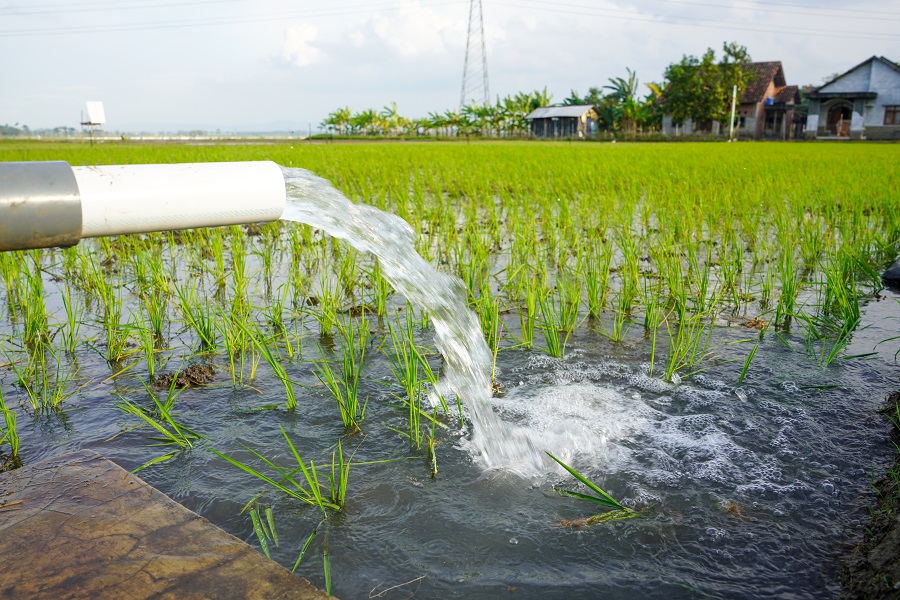
When a buyer asks me whether they "get the water rights," I always slow down and ask which water they mean. Texas treats the two kinds very differently. Groundwater, the water in the aquifer beneath your land, is handled one way. Surface water, the water in a creek, river, or natural draw that crosses your property, is handled a completely different way. You can own the land, the well, and the stock tank and still not have the same control over a flowing creek that you have over the aquifer below you. So the honest answer to "do I get water rights" starts with sorting out groundwater from surface water, and then looking at which rules apply where the land sits.
The rule of capture, in plain terms
Texas follows what is called the rule of capture for groundwater. The Texas Supreme Court adopted it in 1904 in Houston & Texas Central Railway Co. v. East, and the short version is that a landowner can generally pump the groundwater beneath their land, even if it draws down a neighbor's supply, without being liable for it. The Legislature later put landowner ownership into statute: Texas Water Code Section 36.002 says a landowner owns the groundwater below the surface as real property, and the Texas Supreme Court reinforced that this is a vested property right in Edwards Aquifer Authority v. Day in 2012. So as a practical matter, when you buy rural land here, you generally have the right to drill a well and produce water for your own use.
The district that covers your county
The rule of capture is not absolute. Local groundwater conservation districts can regulate well spacing, registration, and production, and most rural land I work with sits inside one. If you are buying in Burleson County, the district is the Post Oak Savannah Groundwater Conservation District, which also covers Milam County. If you are buying in Brazos or Robertson County, it is the Brazos Valley Groundwater Conservation District. Each district sets its own rules, so the first step on any tract with a well, or one where you plan to drill, is to find out which district governs it and what it requires. I help buyers identify that early.
Registration, permits, and exempt wells
Even where the rule of capture applies, your district usually wants to know about the well. A typical household or livestock well is treated as an "exempt" well, meaning it does not need a production permit, but it still has to be registered before drilling. In the Post Oak Savannah district, a domestic or livestock well is exempt when it is incapable of producing more than 25,000 gallons per day, and the district still requires registration. In the Brazos Valley district, the domestic or livestock exemption threshold is higher, at 50,000 gallons per day, and registration before drilling still applies. A larger or commercial well generally needs a permit. Confirm the current threshold and forms with the district that covers your tract before you drill.
The creek belongs to the state
Surface water is the part that surprises people. In Texas, the water in a stream, river, or other watercourse is owned by the state and held in trust for the public, not by the landowner whose property it crosses. To divert or impound state surface water, you generally need a water-right permit from the Texas Commission on Environmental Quality (TCEQ). Owning the bank does not by itself give you the right to dam the creek or pump from it for irrigation or a commercial use. So if a listing mentions a "live creek" or seasonal water, that is a feature of the land, but it is not the same as a permitted right to use that water.
Domestic, livestock, and the 200 acre-foot stock pond
There are narrow exceptions on the surface-water side. Texas Water Code Section 11.142 lets a person build, without a TCEQ permit, a dam or reservoir on their own property with normal storage of not more than 200 acre-feet of water for domestic and livestock purposes. That is the rule that allows most ordinary stock tanks and ponds. The statute says the exemption does not apply to a commercial operation. Domestic and livestock use of water is treated as a superior, exempt use, but it does not cover irrigating crops or running a commercial enterprise. Anything beyond those limits, or any diversion from a stream, points you back to TCEQ to confirm what a permit requires.
Related questions
If the tract has, or needs, a well, see my guide on buying rural land with a well and septic system. If there is a pond, a lake, or waterfront in the picture, my guide on buying lake property in the Brazos Valley covers what to check. You can also browse the full FAQ for more on buying rural land here.
This answer is general information, not legal, lending, insurance, or tax advice. Water law is technical, district rules change, and every tract and every well is different. Confirm groundwater rules with the Post Oak Savannah or Brazos Valley groundwater conservation district that covers your county, confirm surface-water questions with the Texas Commission on Environmental Quality, and talk with a water-law attorney about your situation before you rely on any figure here. The statutes, court cases, agency rules, and district thresholds above reflect what I read from these sources in 2026; I review this page at least once a year and when the law or a district rule changes.
Sources I used
- Rule of capture and the 1904 case Houston & Texas Central Railway Co. v. East: Texas Living Waters Project, The basics of groundwater law in Texas, and Texas A&M AgriLife, Basics of Texas Water Law.
- Landowner ownership of groundwater as real property: Texas Water Code Section 36.002, Ownership of Groundwater, reinforced by Edwards Aquifer Authority v. Day (Tex. 2012), summarized at FindLaw, Edwards Aquifer Authority v. Day.
- Surface water owned by the state and the TCEQ water-right permit system: Texas A&M AgriLife, Basics of Texas Water Law, and TCEQ, Applications and Forms Related to Surface Water Rights.
- The 200 acre-foot domestic and livestock stock-pond exemption, and the commercial-operation exclusion: Texas Water Code Section 11.142, Permit Exemptions.
- Post Oak Savannah GCD covers Burleson and Milam counties; exempt domestic or livestock wells under 25,000 gallons per day still require registration: Post Oak Savannah GCD, Registration v. Permit for Your Well (confirm current thresholds with the district).
- Brazos Valley GCD covers Brazos and Robertson counties; exempt domestic or livestock wells under 50,000 gallons per day still require registration: Brazos Valley GCD, Permits & Affidavits (confirm current thresholds with the district).
Wondering about the water on a tract you like?
Send me the property and I will help you identify the groundwater district, sort out the well situation, and flag any surface-water questions before you make an offer.